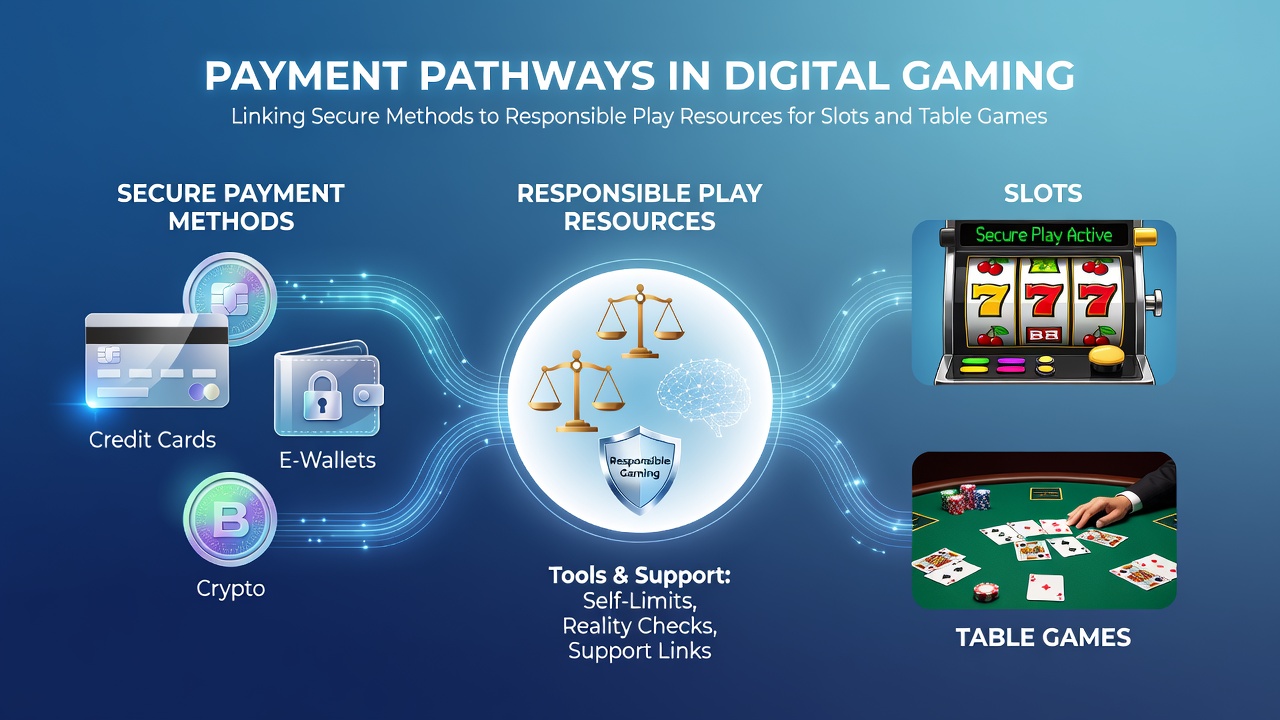
Payment Pathways in Digital Gaming: Linking Secure Methods to Responsible Play Resources for Slots and Table Games
Digital gaming platforms handling slots and table games rely on multiple payment pathways that prioritize both transaction security and connections to responsible play resources, with operators integrating these elements to meet regulatory expectations across regions. Payment methods range from traditional bank transfers and credit cards to e-wallets and emerging digital options, each carrying distinct security protocols that platforms must maintain while directing users toward tools for managing play activity.
Core Payment Methods in Online Slots and Table Games
Operators process transactions through systems that support instant deposits for slots alongside slower verification steps for table games, where higher stakes often trigger additional checks. E-wallets facilitate quick transfers with built-in encryption layers, whereas bank wires provide traceable records that align with compliance requirements. Data indicates that platforms updated their protocols in August 2026 to incorporate enhanced authentication layers, which reduced unauthorized access incidents while maintaining seamless access for verified players.
Those who've examined transaction flows note that slots often use one-click payment options tied to player accounts, yet table games frequently route through multi-step approvals that include balance verification. Security measures such as tokenization and multi-factor authentication protect these pathways, and researchers have documented how these features prevent data breaches in high-volume environments. According to reports from the New Jersey Division of Gaming Enforcement, platforms must log all payment activities to support audit trails that also feed into responsible gaming monitoring systems.
Connecting Secure Transactions to Player Protection Tools
Payment pathways increasingly embed links to responsible play resources at key points in the transaction process, allowing users to set deposit limits or access self-exclusion options directly from their account dashboards. This integration means that after completing a deposit for slots or table games, players encounter prompts directing them to external support networks without interrupting the gaming session itself. Observers note that such connections help platforms comply with broader industry standards that emphasize player welfare alongside operational efficiency.
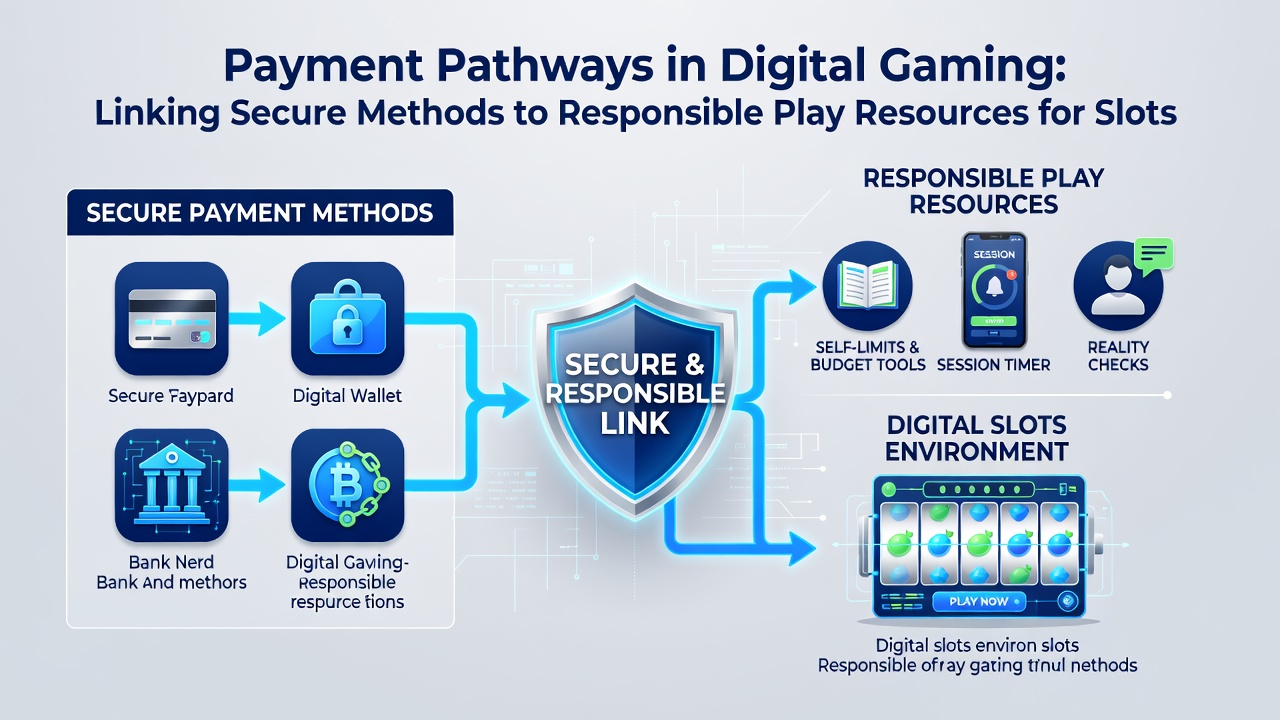
Studies from academic sources reveal that platforms using automated triggers within payment systems can flag unusual spending patterns and suggest resource access before issues escalate. For instance, one analysis of European operators found that integrating limit-setting tools at the deposit stage led to higher voluntary usage rates among players engaged in both slots and table games. These systems draw from transaction data to customize interventions, and figures from Canadian regulatory bodies show similar patterns where secure payment gateways serve as entry points for support information.
Regulatory Frameworks Shaping Payment and Responsibility Integration
Regional regulations require that payment processors for digital gaming maintain clear separations between transaction handling and marketing activities, while also mandating visible pathways to responsible play resources. In Australia, government-supported initiatives have established standards where operators must display helpline details during payment confirmations, a practice that has expanded to cover both slots and table game environments. This approach ensures that security features like fraud detection algorithms operate alongside tools that promote informed decision-making.
Experts have observed that platforms adapting to these rules often redesign their interfaces so that payment confirmations include direct links to regional support services, creating a seamless flow from financial activity to player assistance. Data from industry reports highlights that such integrations became more standardized following updates in mid-2026, with operators reporting improved compliance scores across multiple jurisdictions. Those monitoring these developments point out that the dual focus on secure methods and resource accessibility helps maintain platform integrity while addressing player needs in real time.
Practical Examples of Integrated Systems
Take one operator that implemented a unified dashboard where payment history for table games feeds directly into usage reports, allowing players to review spending alongside prompts for limit adjustments or resource access. Similar setups appear in slots-focused platforms, where e-wallet transactions trigger optional pop-ups directing users to external organizations specializing in gambling support. Research indicates these features reduce friction for players seeking help, and they align with broader trends toward proactive rather than reactive protection measures.
Another case involves platforms that partner with third-party verification services to ensure payment security while simultaneously routing data to responsible gaming modules. This dual-purpose architecture means that every transaction processed for slots or table games contributes to a profile that can activate support resources if predefined thresholds are met. Observers note that such systems reflect ongoing refinements in how digital gaming handles both financial security and player well-being without separating the two functions.
Conclusion
Payment pathways in digital gaming continue to evolve as platforms balance secure transaction processing with direct connections to responsible play resources for slots and table games. Regulatory updates, including those noted around August 2026, have reinforced these linkages across regions, with data showing consistent improvements in both security metrics and resource utilization. Operators maintain these systems through ongoing technical adjustments that keep payment flows efficient while embedding support options at natural interaction points, ensuring that players have access to tools that complement their gaming activities.