
Bridging Secure Transaction Methods and Support Resources in Roulette and Chance-Based Gaming
Payment systems used in roulette and similar chance-based activities now connect directly with assistance networks that help participants manage their engagement levels, and this linkage relies on verified transaction data routed through licensed operators to approved support providers. Researchers at multiple institutions have documented how these integrations allow real-time alerts when spending patterns deviate from established thresholds, while operators route users toward counseling services without interrupting core gameplay mechanics.
Payment Infrastructure in Chance-Based Activities
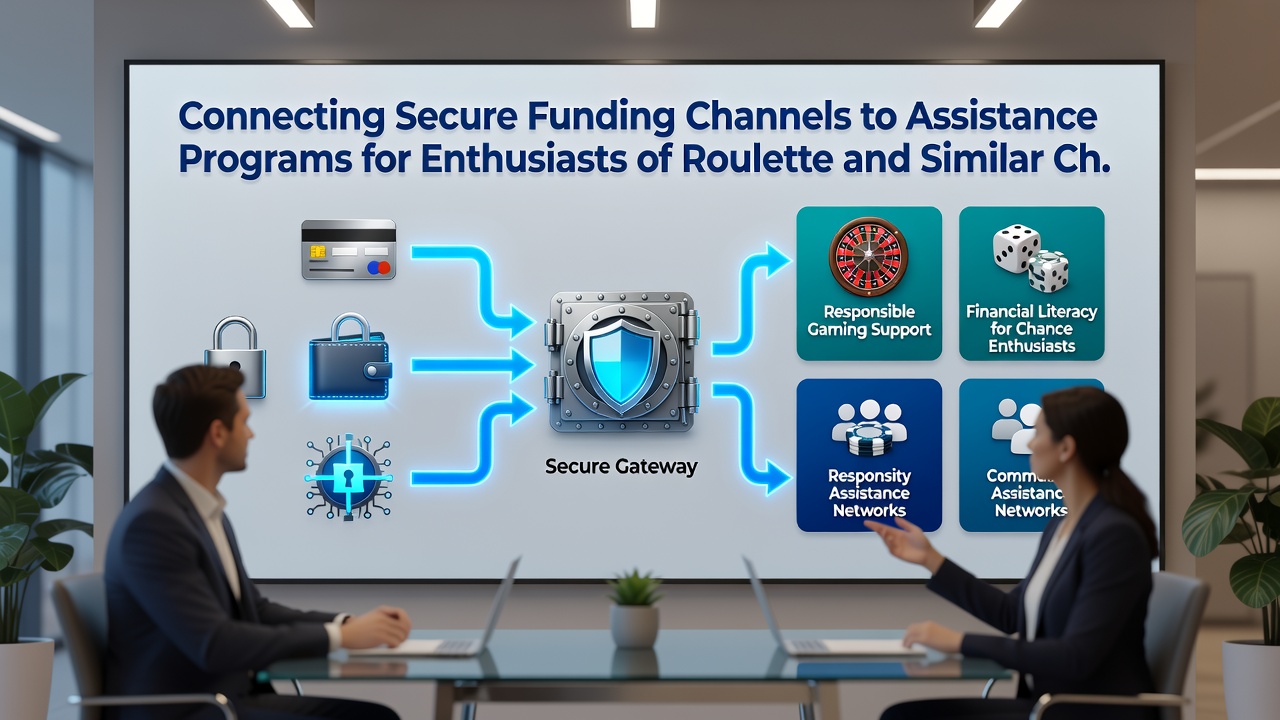
Digital wallets, bank transfers, and card processors form the backbone of funding channels for roulette enthusiasts, and each method carries distinct verification protocols that flag potential issues before funds reach gaming accounts. Data from regulatory filings shows that platforms employing multi-layer authentication reduce unauthorized transactions by measurable margins, whereas single-factor systems leave gaps that assistance programs must address after the fact. Observers note that integration points between these channels and external helplines occur at deposit confirmation stages, allowing operators to present resource links without requiring separate user navigation.
Industry reports released ahead of November 2026 outline expanded testing of blockchain-based ledgers for transaction tracking, and these systems promise immutable records that support programs can reference when verifying self-exclusion requests across multiple sites. Participants who set deposit limits through their chosen funding method receive automatic prompts to review available counseling options, and this process operates under guidelines established by regional gaming authorities in North America and Oceania.
Assistance Programs and Their Funding Connections
Support organizations maintain databases that sync with operator payment logs, enabling direct referrals when activity indicators suggest elevated risk. Figures released by the National Council on Problem Gambling reveal that over 40 percent of program enrollments in recent years originated from in-platform prompts tied to funding events rather than external searches. Those who've studied enrollment patterns find that seamless handoffs from secure channels to these programs increase completion rates for initial counseling sessions.
Operators in regulated markets must embed resource directories within their transaction flows, and this requirement stems from licensing conditions that prioritize participant welfare alongside revenue collection. One study from Australian researchers highlighted how automated messages triggered after three consecutive deposits above average levels led to higher uptake of limit-setting tools, and similar mechanisms now appear in several U.S. state frameworks.
Technical Mechanisms for Integration
API connections between payment gateways and assistance databases transmit anonymized spending summaries at predefined intervals, and these summaries trigger tailored resource suggestions without exposing personal identifiers beyond what's needed for verification. Canadian regulatory bodies have piloted systems that pause withdrawals when linked accounts show signs of distress, directing users instead to regional support hotlines maintained by provincial health services. The Canadian Centre on Substance Use and Addiction provides data models that operators adapt for their own risk-scoring algorithms.
Encryption standards ensure that funding details remain protected during these exchanges, while audit trails allow independent reviewers to confirm that referrals occur promptly. Platforms that fail to maintain these connections face license reviews, and recent enforcement actions in multiple jurisdictions underscore the operational priority placed on such linkages.
Regional Variations and Emerging Standards
European frameworks emphasize cross-border data sharing among licensed entities, and this approach lets assistance programs track activity that spans multiple countries through unified payment identifiers. In contrast, U.S. state-by-state rules create a patchwork where each jurisdiction sets its own thresholds for when funding channels must interface with local helplines. Australian initiatives, supported by research from the Australian Gambling Research Centre, focus on voluntary pre-commitment systems that tie directly into banking apps used for deposits.
November 2026 brings scheduled reviews of these standards across several markets, and updates are expected to refine how transaction metadata informs assistance targeting. Industry associations continue to publish best-practice guides that align technical specifications with emerging privacy regulations.
Conclusion
Secure funding channels now serve as entry points to assistance programs for roulette participants and those engaged in similar activities, and the technical links between transaction systems and support services continue to evolve under regulatory oversight. Evidence from multiple regions demonstrates that these integrations facilitate earlier intervention when needed, while preserving participant autonomy over their chosen payment methods. Ongoing developments scheduled for late 2026 will likely expand the scope of these connections across additional jurisdictions.